
29




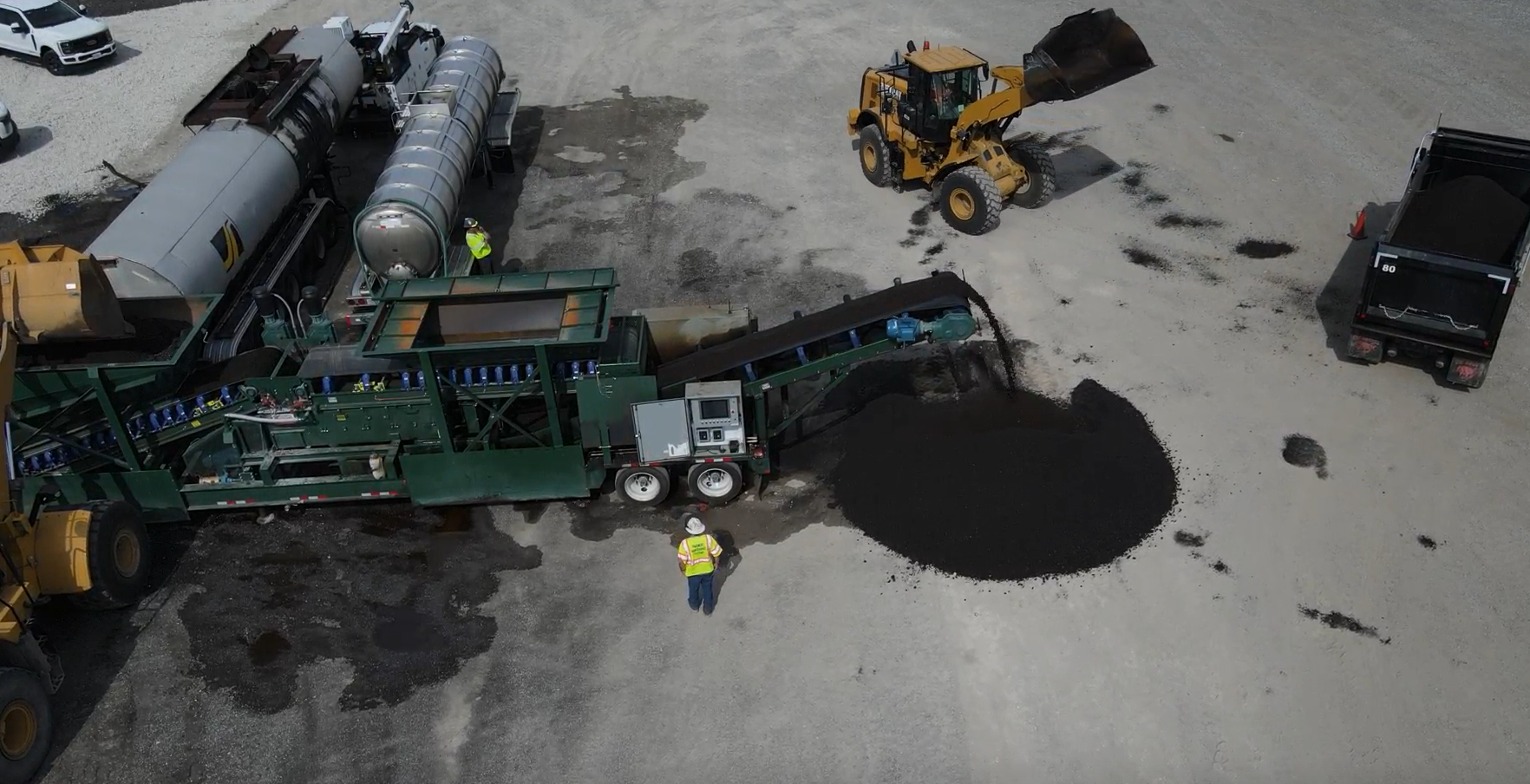
Cold asphalt mixes are gaining attention because they allow agencies and contractors to work without the high temperatures required for hot mix asphalt. Unlike hot mix, which takes significant energy to produce, cold mixes can be made at ambient temperatures. That flexibility makes them especially valuable in situations where storage, cost savings or low-volume applications are the priority.
For example, cold mix can be stockpiled for pothole repairs, used for temporary patches or even placed as a full pavement option on rural and low-traffic roads where it is often the more economical choice.
At a high level, these are two common types of cold asphalt mixtures:
Cold Mix Asphalt (Pug Mix) is produced by combining virgin aggregate (sometimes with a small percentage of reclaimed asphalt paving, or RAP) and an asphalt emulsion in a pug mill. The mix can be stockpiled for later use.
Cold Central Plant Recycling (CCPR) is produced by taking RAP from an existing roadway and mixing it with asphalt emulsion or cement in a centrally located, specialized pug mill plant. The mix is produced just in time for placement on the nearby project.
Despite their differences, both methods share a few important similarities:
While both are “cold” processes, their fundamental differences come down to:
1. Timing of Use: Cold mix can be stockpiled for months and used on demand. CCPR, however, must be produced, transported and placed quickly—often within an hour.
2. Material Source: Cold mix typically relies on virgin aggregate blended with asphalt emulsion, while CCPR is designed around recycling 100% RAP, reducing the need to pay for virgin material.
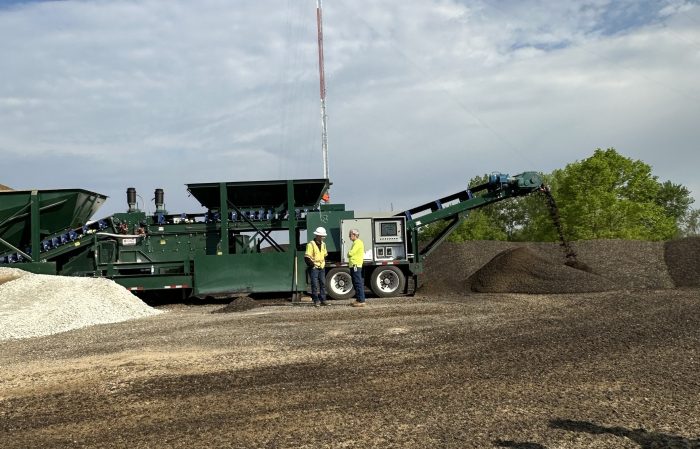
Evergreen Roadworks pugmill producing cold “pug mix”
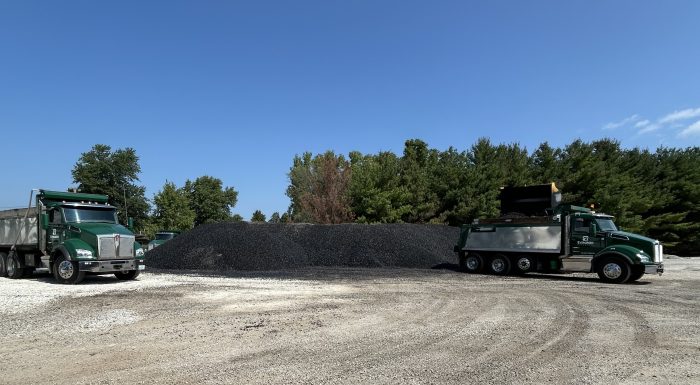
Loading up the stockpiled pug mix to truck to the laydown

Cold pug paving on a rural road
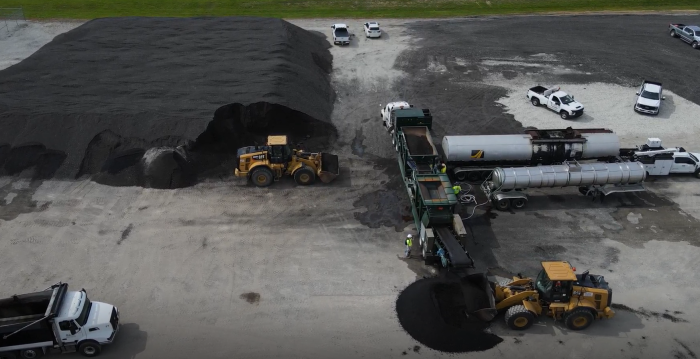
RAP stockpile milled from the nearby project to be processed in a CCPR mix
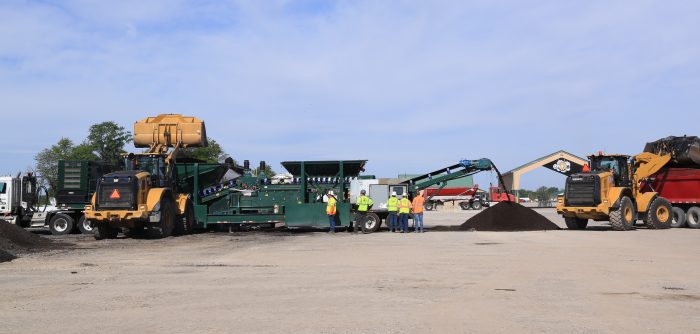
Evergreen Roadworks specialized CCPR pugmill at a central location next to the project

Contractor paving the CCPR mix
Both cold mix and CCPR are practical, lower-temperature alternatives to hot mix asphalt, but they serve very different roles. Cold mix shines as a stockpiled, ready-to-use solution for low-volume paving and maintenance work, while CCPR offers a sustainable, engineered mix built from recycled material for large rehabilitation projects.
Knowing when to use each is about balance—matching the right tool to the job while weighing cost, performance and sustainability goals.
Want to see it in action? Check out this example CCPR project.